What are we working on?
Initiated in 2022 as a pilot project for the Earth Metabolome Initiative mission, DBGI has since developed into an independent, community-coordinated framework for documenting plant chemistry in botanical collections.
Our approach
Sample collection and analytical workflows
We have established high-throughput, coordinated workflows that enable teams to collect plant material from hundreds of specimens per day, capture key specimen information in the field, and maintain complete sample traceability from collection through analysis.
Strengthen the informatics infrastructure
DBGI is strengthening its informatics infrastructure to bring coordinated sampling, data submission and validation to a global scale. A more robust and scalable data submission portal is being developed as part of the Earth Metabolome Initiative.
Out into the wild: the Earth Metabolome Initiative
Through the Earth Metabolome Initiative, we will adapt DBGI's sampling and metadata collection workflows to field sampling and extend the plant chemistry documentation to wild populations and ecosystems. Learn more about the Earth Metabolome Initiative.
What gardens can't reach, and why going further
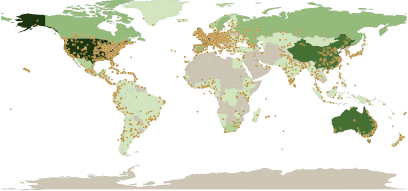
Garden collections are unevenly distributed
Botanical gardens collections are unevenly distributed across the globe. Most sit in Europe and North America, while the biodiversity-rich regions (e.g., Africa and South America) remain far less covered.
Most species are still in the wild
Even taking into account all 1,100 living collections worldwide, more than 70% of plant diversity remains beyond the reach of botanical gardens.
Human preference shapes garden collections
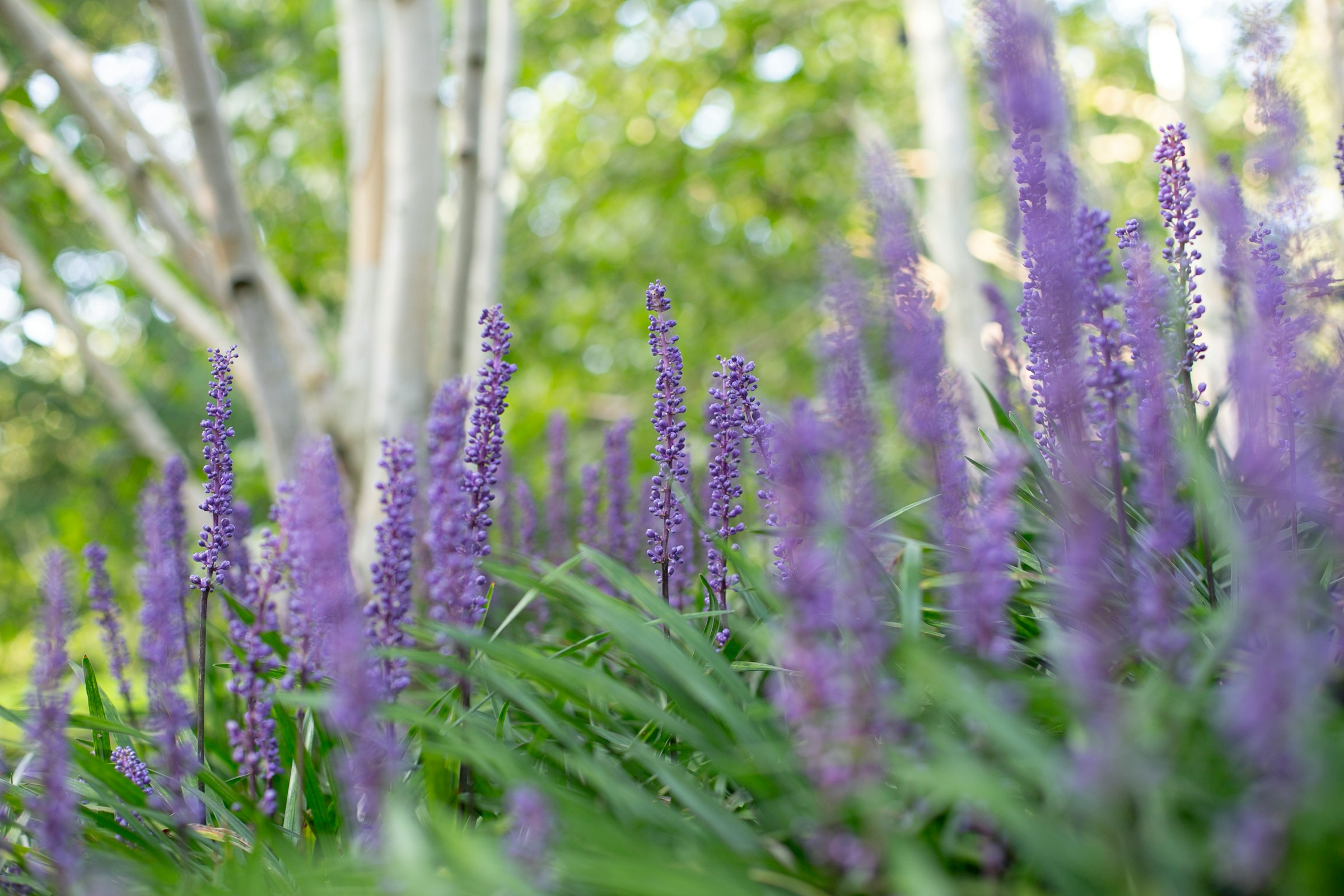
It is known that humans are drawn to colourful, showy flowering plants7. Botanical gardens likewise tend to cultivate ornamental and traditionally used species. These choices can bias sampling towards particular regions and collection histories.
Botanical gardens are a starting point. Sampling wild populations and ecosystems is the goal of the Earth Metabolome Initiative.
References
- Adamo, M., Chialva, M., Calevo, J., Bertoni, F., Dixon, K., & Mammola, S. (2021). Plant scientists' research attention is skewed towards colourful, conspicuous and broadly distributed flowers. Nature Plants, 7(5), 574–578. doi.org/10.1038/s41477-021-00912-2